Motor Fault Detection and Diagnostics
How 8 kHz waveform analysis detects motor bearing wear, alignment drift, and compressor degradation: the same detection intelligence protecting AI data center cooling systems.

Note: This article was originally written for commercial and industrial applications. The motor fault detection technology described here now powers Verdigris Signals for AI data center equipment monitoring.
Motors are the key component in multiple types of machines. We are specifically referring to three-phase induction motors. They run compressors, fans, blowers, elevators, pumps, conveyor belts, and turbines. Motors are reliable and resilient but they can fail.
The average failure rate for time to first failure is about 3.13%. Different components of a motor have different likelihoods of failure. Given a faulty motor, this is the likelihood of failure for the primary components:
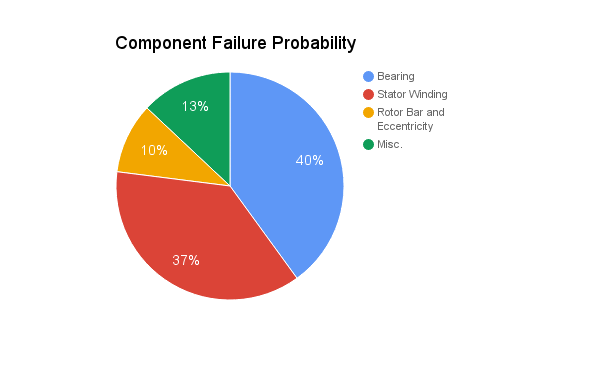
A motor fault doesn’t necessarily mean it will stop working; however, the motor may be inefficient or close to complete failure and should be inspected.
How can Verdigris detect motor faults?
We use motor current signature analysis (MCSA) to detect faults. MCSA requires a high sampling rate which Verdigris systems provide, letting us access over three decades of existing research.
Figures 1 and 2 illustrate part of the analysis to detect broken rotor bars. The frequency spectrum of the current is viewed near the power supply frequency (in this case 60Hz). In a healthy motor, the spectrum is flat aside from the 60Hz spike. In a motor with broken rotor bars, there are spikes in energy at two frequencies on either side of 60Hz which are caused by the broken rotor bars. The specific frequencies are functions of the current state of the motor and motor parameters.
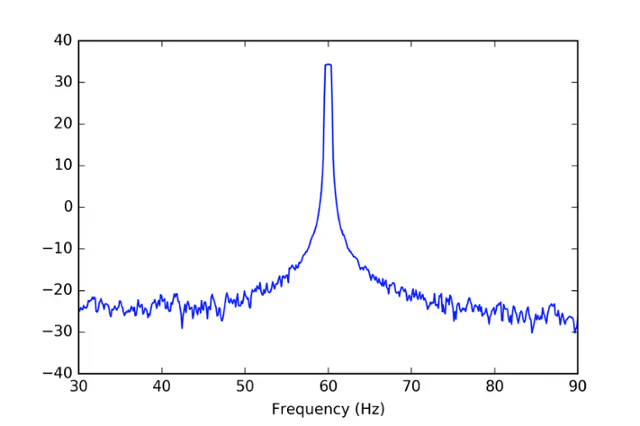
Figure 1. Frequency spectrum of the current from motor with no broken rotor bars
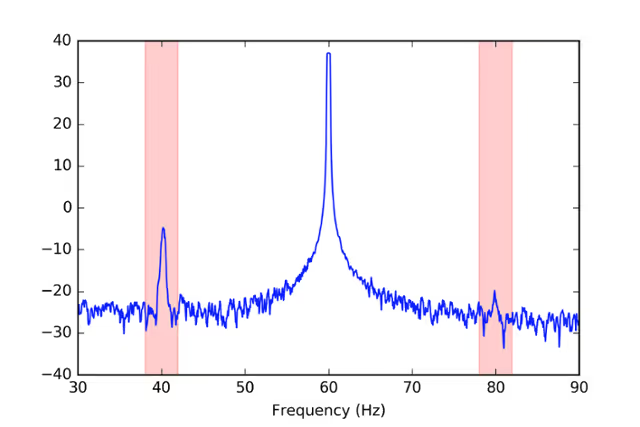
Figure 2. Frequency spectrum of the current from motor with a broken rotor bar
What does Verdigris tell you?
After our design sprint, we integrated motor faults into our tracker mobile app and weekly reports. Our algorithms will continuously monitor the health of your motors. If we detect a fault, we can alert you immediately, long before your building management system (BMS) or technicians can. Additionally, we will keep you updated on all your motors in your weekly report. Figures 3 and 4 show what we have built.
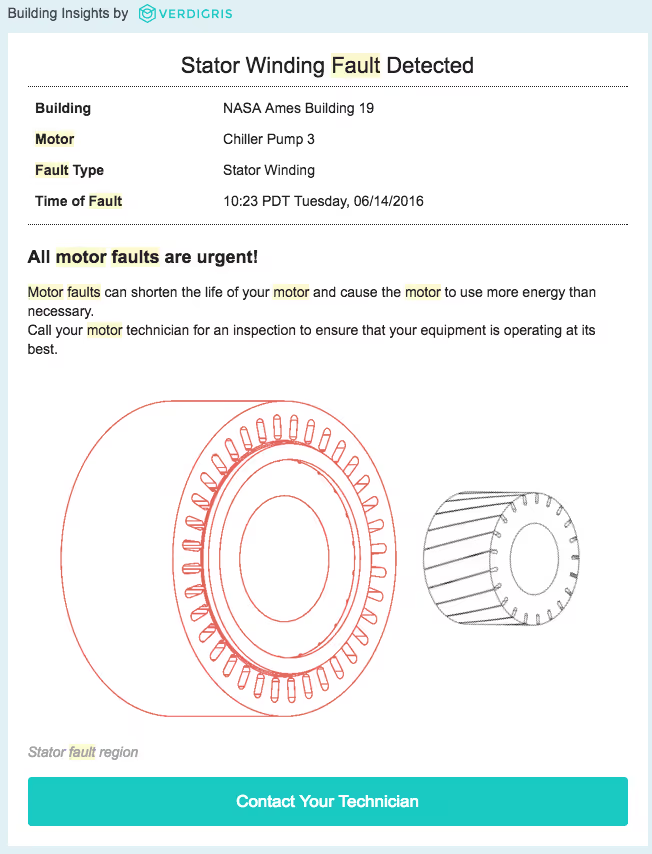
Figure 3. Example of an email notification

Figure 4. Example of a weekly report
How does Verdigris do it?
We spent multiple months researching and developing our own MCSA algorithms. We collected multiple types of motors and created a motor test bed. Then we broke a few motors in controlled ways to simulate real faults. To simulate stator winding faults we removed the insulation at multiple points and soldered wire leads to create shorts within the stator winding on demand, see Figure 4. To simulate broken rotor bars, we drilled through the rotor bars, two rotor bars were drilled in Figure 5. We gathered a dataset of motor data and validated that our fault detection algorithms were accurate. We have released algorithms that detect broken rotor bars and stator winding faults, more are under research.
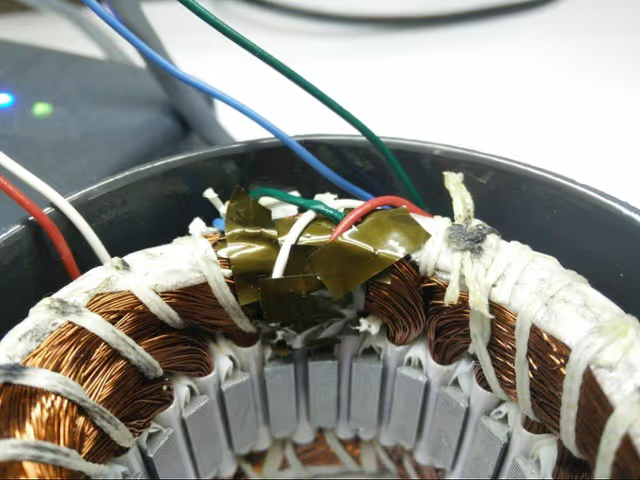
Figure 4. Soldered leads to stator winding secured with Kapton tape
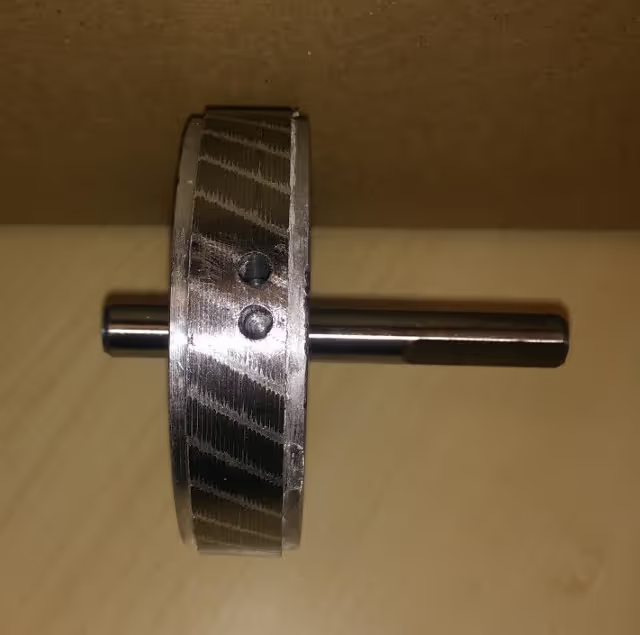
Figure 5. Two drilled rotor bars
What does this mean for your facility?
When you install a Verdigris system in your building, let us monitor your mission-critical motors. It’s important to detect faults early-on so that repairs can be made before it is too late. BMS software cannot detect faults until the motor is beyond help, and technicians don’t have time to inspect motors frequently enough. Verdigris will alert you at the first sign of a fault, allowing you to save money in the long run.